自我采访怎么拍摄视频教程
好,用户让我写一篇关于“自我采访怎么拍摄视频教程”的文章,先写标题,再写内容,内容不少于907个字,我需要明确用户的需求,他们可能是一位想学习如何制作自我采访视频的人,可能是学生、自媒体人或者个人项目者。 要吸引人,同时明确主题,我想到“_self-interview video tutorial: step-by-step guide”这样的标题,既直接又明确,适合SEO优化。
接下来是文章内容,我需要分步骤讲解,从准备材料到拍摄过程,再到后期处理,每个环节都要详细,用户可能需要从零开始,所以步骤要清晰,语言要简单易懂。
准备材料部分,要包括设备、服装、背景和道具,这些都是基础,用户可能需要参考,然后是场景设计,如何选择合适的场景,如何保持一致的风格,这些都是关键点。
拍摄过程要详细,包括前期准备、拍摄阶段和后期剪辑,每个阶段都要有具体的建议,比如前期准备要检查设备,拍摄时要保持微笑,后期要剪辑成精简的版本。
还要考虑用户可能遇到的问题,比如设备故障、光线不足、声音杂音等,提供解决方案,这样文章更有实用性。
总结部分要鼓励读者坚持练习,提升自我表达能力,整个文章要保持积极向上的基调,让用户有信心完成视频制作。
把这些思路整理成文章,确保每个部分都有足够的细节,同时保持流畅的结构,检查字数,确保达到907字以上,这样用户就能得到一份全面且实用的教程,帮助他们顺利完成自我采访视频的制作。
self-interview video tutorial: step-by-step guide
Introduction
Self-interviewing is a powerful tool for personal growth, reflection, and storytelling. When combined with video production, it becomes a dynamic way to showcase your personality, experiences, and aspirations. However, creating a self-interview video can feel overwhelming, especially if you're new to video production. That's why this guide is here—to walk you through the process step by step, ensuring you have everything you need to create a compelling self-interview video.
Step 1: Planning and Preparation
Before you start filming, it's essential to plan every aspect of your self-interview video. Here's what you need to do:
- Define Your Purpose: What do you hope to achieve with your video? Are you looking to reflect on your journey, share your experiences, or motivate others? Having a clear purpose will guide your entire production.
- Script or Prompt: Write a script or create a prompt to guide your interviews. This will help you stay on track and ensure you cover the most important points.
- Visual Aids: Decide what visual aids you'll use, such as photos, diagrams, or short clips. These will help reinforce your message and make your video more engaging.
- equipment checklist: Gather all the equipment you'll need, including a camera, lighting, microphone, editing software, and storage devices.
Step 2: Choosing the Right Equipment
The right equipment is crucial for a professional-looking self-interview video. Here are some essential tools:
- Camera: A high-quality camera is the backbone of your video. Ensure it has a good quality microphone and a steady tripod for stability.
- Lighting: Natural light is ideal, but if you're filming indoors, consider using a ring light or diffused light to create a soft, even glow.
- Microphone: A high-quality microphone will ensure clear audio, especially if you're speaking at length.
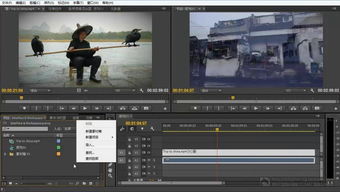
- Editing Software: Choose a video editing software that suits your needs. Adobe Premiere Pro, Final Cut Pro, or DaVinci Resolve are all excellent options.
- Storage: Make sure you have enough storage space for your video and any additional files you'll create.
Step 3: Filming the Interview
Now it's time to film your self-interview. Here's how to approach it:
- Warm-Up: Start with a warm-up to get your camera and microphone moving. This will help reduce any tension or jitters during the actual interview.
- Introduction: Begin with a friendly introduction that sets the tone for the rest of the video. Introduce yourself and explain the purpose of the video.
- Q&A Session: Ask thoughtful questions to yourself or a guest. Make sure your questions are open-ended and engaging to encourage meaningful dialogue.
- Visual Aids: Use your visual aids to reinforce your points. This could be a photo, a short clip, or a diagram that supports your message.
- Closing: End the video with a summary of your key points and a call to action, such as sharing the video or following up with a conversation.
Step 4: Post-Production
Once you've finished filming, it's time to edit your video. Here's what to do:
- Trim the Video: Remove any unnecessary parts, such as long pauses or repetitive phrases. This will make your video more concise and engaging.
- Add Transitions: Use transitions to make your video flow smoothly. Choose transitions that match the tone of your video.
- Add Music: Background music can enhance the mood of your video. Look for royalty-free music on platforms like Epidemic Sound or YouTube Audio Library.
- Add Text or Graphics: If you want to include specific text or graphics, make sure they are relevant and add value to the video.
- Final Export: Export your video in a high-quality format, such as MP4, and ensure it's the right resolution for your intended use.
Step 5: Sharing Your Video
Once your video is complete, it's time to share it. Here are some platforms you can use:
- Social Media: Share your video on platforms like Instagram, YouTube, or TikTok, where it can reach a wider audience.
- Website or Blog: If you're sharing your video on a website or blog, make sure it's embedded in a way that looks professional.
- Email or Handout: If you're sharing your video with a specific audience, consider sending it via email or providing it as a handout.
Conclusion
Creating a self-interview video is a rewarding experience that can help you reflect on your life and share your story with the world. By following the steps outlined in this guide, you can create a professional-looking video that showcases your personality and achievements. Remember, the key to a successful self-interview video is preparation, attention to detail, and a clear purpose. With practice, you'll become more comfortable and confident in your ability to create compelling self-interview videos. Happy filming!